Showing posts with label Spring. Show all posts

Monday, 28 May 2012

Flowers in our own garden during May 2012

It is a sunny day and most spring flowers in our garden are open. The tulips are gone but now we have some Petunias, Arearias, Iberis, Asters, Phlox, Roses, Cyanotis Repens, and a whole other range of flower. It is very colourful and nice to watch when you are sitting on the terrace with a drink.

Het is een zonnige dag en de meeste lentebloemen in onze tuin staan open. De tulpen zijn reeds verdwenen maar nu hebben we Petunias, Arearias, Iberis, Asters, Phlox, Rozen, Cyanotis Repens een hele reeks andere bloemen. Het is zeer kleurrijk en leuk om naar te kijken van op het terras met een drankje.
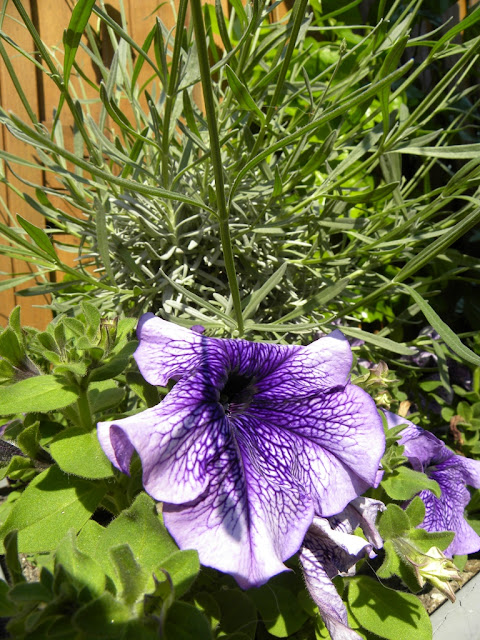
 
Our garden May 2012
Petunia

Our garden May 2012
Arearias

Our garden May 2012
Iberis

Our garden May 2012
Asters

Our garden May 2012
Phlox

Our garden May 2012
Roses

Our garden May 2012
Roses

Our garden May 2012
Arearias

Our garden May 2012
Cyanotis Repens

Previous Garden article: Close-ups pictures of spring flowers in our own garden

Return to main page

Wednesday, 23 November 2011

The Pantheon, the architectural wonder of a 2.000 years old temple in Rome

The Pantheon is not only a Roman temple that was built in the year 126 AC but it is also an architectural wonder for several reasons. The first reason is that it is intact and the 7 metre tick walls are still the originals. The height and the diameter of the dome are exactly the same with 43,3 metres. The oculus or the opening in the dome has a diameter of 9 metres. It supported the structure against earthquakes but the most important function can be found in the astrology. The Equinox days, 21 March and 22 September, which are the start of spring and the end of the summer, are important days for the agriculture. On those days at noon, the sun light shines through the oculus directly enlightening the main entrance of the Pantheon. The Pantheon was built like that on purpose because at this ceremonial time, the emperor is supposed to enter the temple to honour the Gods. How is it possible that people could build such a large and strong construction, with exact measurements at the right place and angle, 2.000 years ago? This is hard to understand; nowadays some construction companies can not even pull up a straight wall in a simple house.

Het Pantheon is niet enkel een Romeinse tempel die werd gebouwd in het jaar 126, maar is ook een architecturaal wonder voor verschillende redenen. Eerst omdat de constructie nog steeds intact is met de 7 meter dikke originele muren. De hoogte en de diameter van het gebouw zijn exact aan elkaar gelijk, met name 43,3 meter. De oculus, het oog, of de opening bovenin de koepel heeft een diameter van 9 meter. Deze opening beschermde de tempel tegen de trillingen van aardbevingen, maar zijn belangrijkste functie kan worden teruggevonden in de astronomie. De Equinox dagen, 21 maart en 22 september, met de start van de lente en het einde van de zomer, zijn zeer belangrijk voor de landbouw. Op die dagen, 12 uur ’s middags schijnt de zon door de Oculus recht op de hoofdingang van de tempel. Op dat moment komt de keizer binnen om de Goden te eren. Hoe is het mogelijk dat mensen 2.000 jaar geleden zo’n grote, sterke tempel, volgens exacte afmetingen, met de juiste hoek en plaats hebben gebouwd. Dit is toch zeer moeilijk te begrijpen als je in onze moderne tijd constructie bedrijven hebt die nog geen rechte muur kunnen plaatsen in een simpel huis.

Pantheon Rome
Pantheon Rome
Pantheon Rome
Pantheon Rome
Pantheon Rome
Pantheon Rome
Pantheon Rome
Pantheon Rome
Pantheon Rome
Pantheon Rome
Pantheon Rome
Previous Rome article: The church Trinità dei Monti at the Spanish Steps in Rome

Return to main page